Hip pain shows up differently for everyone. Sometimes you feel it on the outside of your leg, sometimes below the knee, and sometimes in your groin.
Whether you’re experiencing a dull ache, sharp twinge, or shooting pain, the worst part about hip pain is how it limits your daily life.
At the start, you can usually manage your normal activities and only notice an ache when you go to bed at night. But slowly, your hip pain becomes more and more noticeable – no matter what you’re doing.
If you’ve been waiting for months and your hip pain hasn’t gone away on its own, it’s time to find out why.
When you work with a private physiotherapist, you treat your hip pain at its source – so you can start to live again without fear holding you back from doing the things you love.
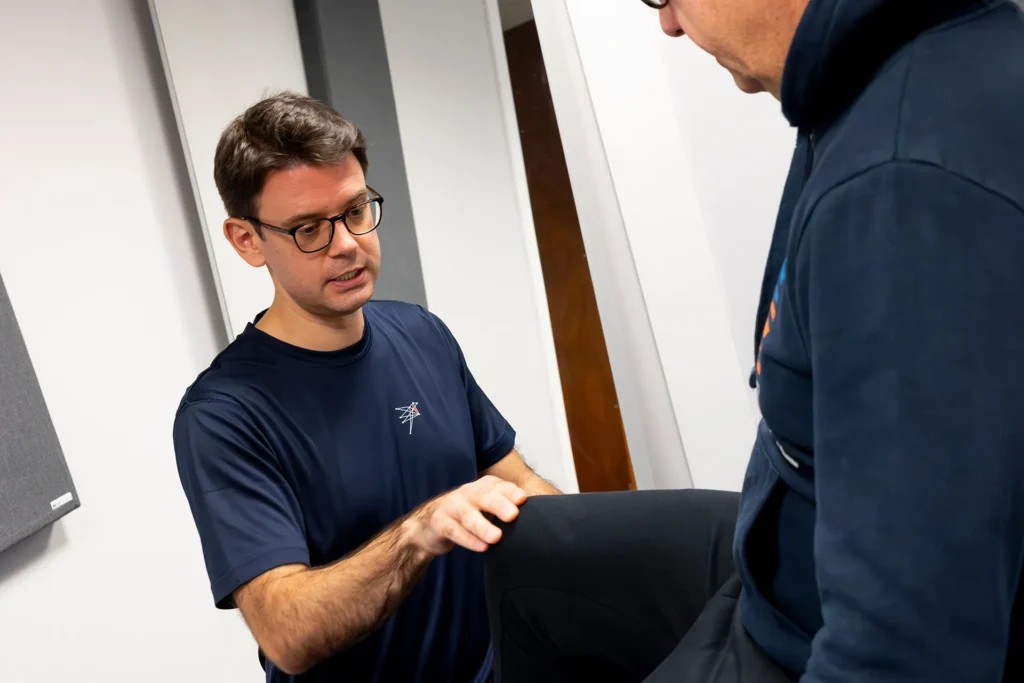
Discover proven techniques to relieve hip pain, improve mobility, and prevent recurring issues. Written by our expert physiotherapists.

People are often surprised when they come to see us at Hamilton Physiotherapy with a painful ache in their groin to find out that it’s hip joint pain. This is because hip pain is not just the outside of your leg. In fact it can cause pain down your leg even below your knee.
Your physiotherapist will identify the source of your pain. This is important because the different sources of hip pain like the joint or cartilage, the tendons or muscles around your hip all need to be treated differently.
Waiting for pain just to get better doesn’t work. Trying different things that have been suggested by family and friends because it “worked for them” is not a solution either, it needs to be specific to you. It just creates confusion, causing procrastination and putting off what you need to do to help your hip pain.
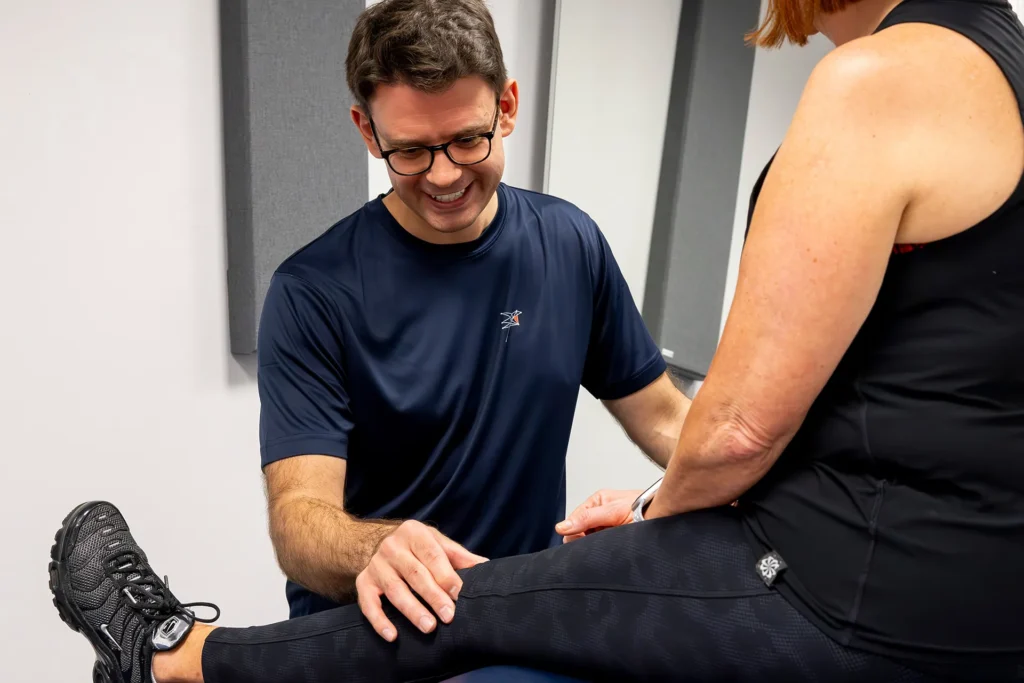
The main symptoms of hip pain is a dull nagging ache or a sharp twinge in your hip or groin. However, it can also present as pain further down the leg. What it limits you from being able to do is a lot more obvious.
You likely have significant stiffness after sitting, making getting in and out of the car an ordeal. You can struggle to put your socks on in the morning, and others might start to notice you limping.
Strangely you wonder why you are also able to do a lot during the day but the minute you want to sit down and relax in the evening that ache suddenly starts to show up again. This is very common with hip issues and if you have these symptoms the great thing is that physiotherapy will be able to help you.
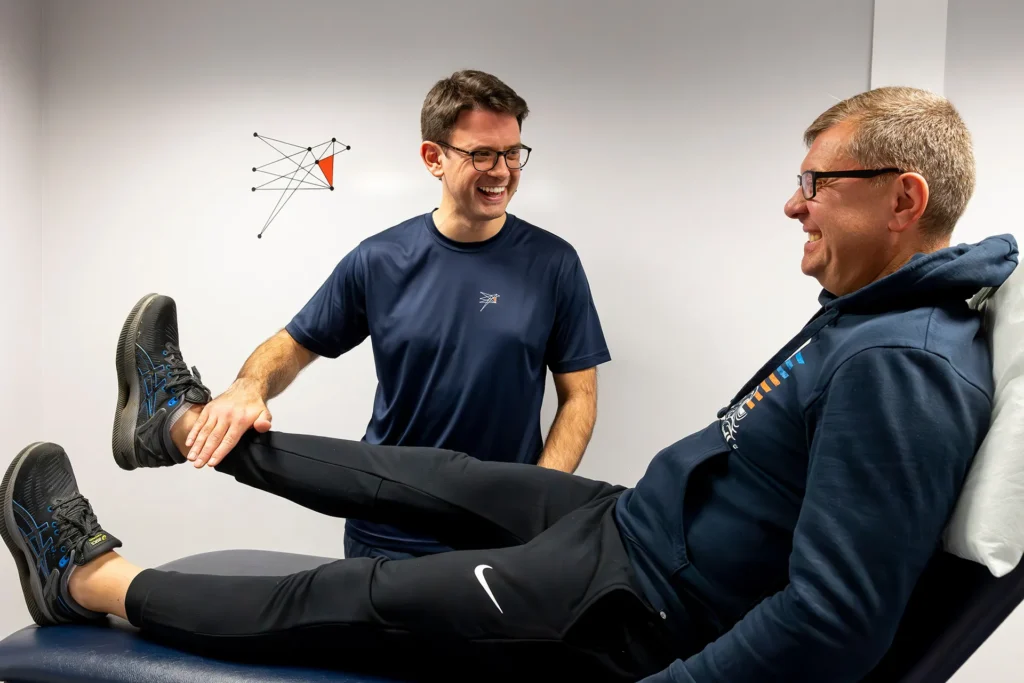
If you’ve never worked with a physiotherapist in the past, we understand why you might feel apprehensive about booking an appointment.
At Hamilton Physiotherapy, we focus on outcome over intervention. Our priority is reducing your pain and helping you trust your body again.
During your initial consultation, we want to discover your whole story – your lifestyle, what triggers your pain, and what relieves it. From there, we can diagnose the issue, and create a clear action plan with milestones for when you will start to feel better.
When you work with us, long waitlists and generic exercise plans become a thing of the past. Your plan might include manual massage, stretches, or gentle exercise. Physiotherapy can be uncomfortable – but we promise it will never hurt.
Book an appointment with us to learn more about your body and start treating your issue immediately, so things that feel difficult – like walking up and down the stairs, getting in and out of the car, and even putting on socks – become easier again.
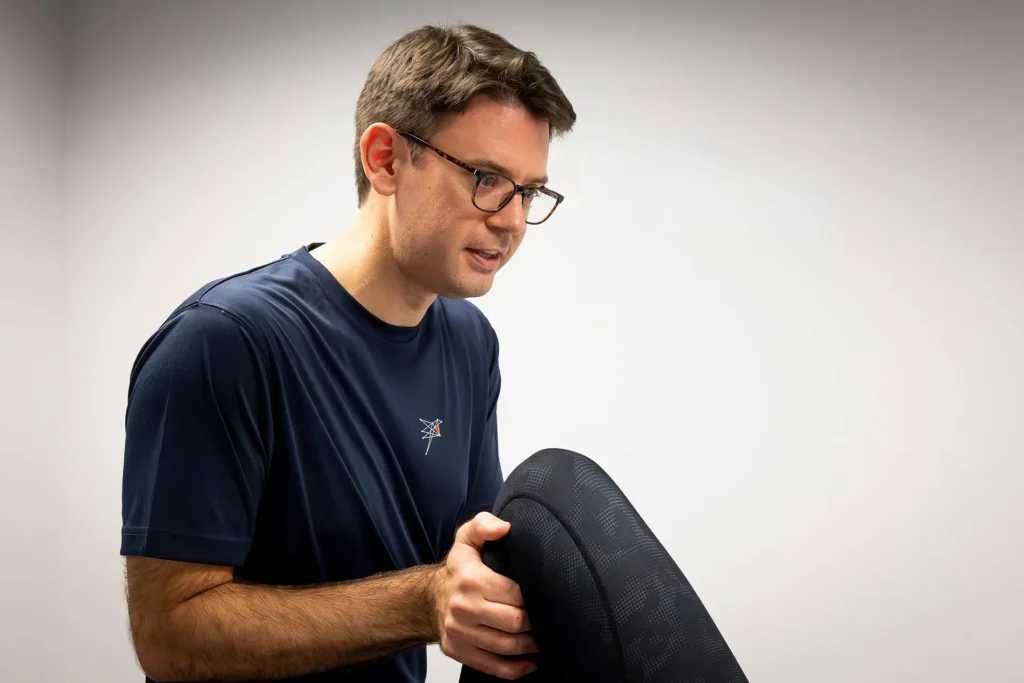
Physiotherapy is the best way to get your hip moving well again, meaning you move freely, easy and without worry. You don’t have to accept that it is just your age, or because it has lasted for so long that this is your new norm.
Physiotherapy will create a plan specific to your needs. Giving you the confidence back in your body that will help reduce all the fear you may have around pain and guide you to a future where you are back doing the things you want to do.

 Trustindex verifies that the original source of the review is Google.

 Trustindex verifies that the original source of the review is Google.
 Trustindex verifies that the original source of the review is Google.
 Trustindex verifies that the original source of the review is Google.
 Trustindex verifies that the original source of the review is Google.
 Trustindex verifies that the original source of the review is Google.
 Trustindex verifies that the original source of the review is Google.
 Trustindex verifies that the original source of the review is Google.
 Trustindex verifies that the original source of the review is Google.

When your day-to-day activities become painful and difficult, it is natural to try and rest to solve the problem. However, when you fall away from activities like walking or exercising, it can actually make your situation worse.
Try to keep up with some gentle exercise, to avoid your hip becoming more stiff and difficult to move.
A quick Google or YouTube search will bring up hundreds of exercises for hip pain – but how do you know they are the right ones for your issue?
In some cases, doing the wrong exercises will make you feel worse! The best way to create a personalised exercise programme is to talk to an expert, who can create a progressive plan that builds your long-term strength, function, and mobility.
Above anything else, the most important thing you can do to tackle your hip pain is get a physiotherapy appointment!
Improvements can always be made to your quality of life. Working with a professional is the best way to start moving more independently, getting a good night’s sleep, and enjoying your favourite hobbies again at last.
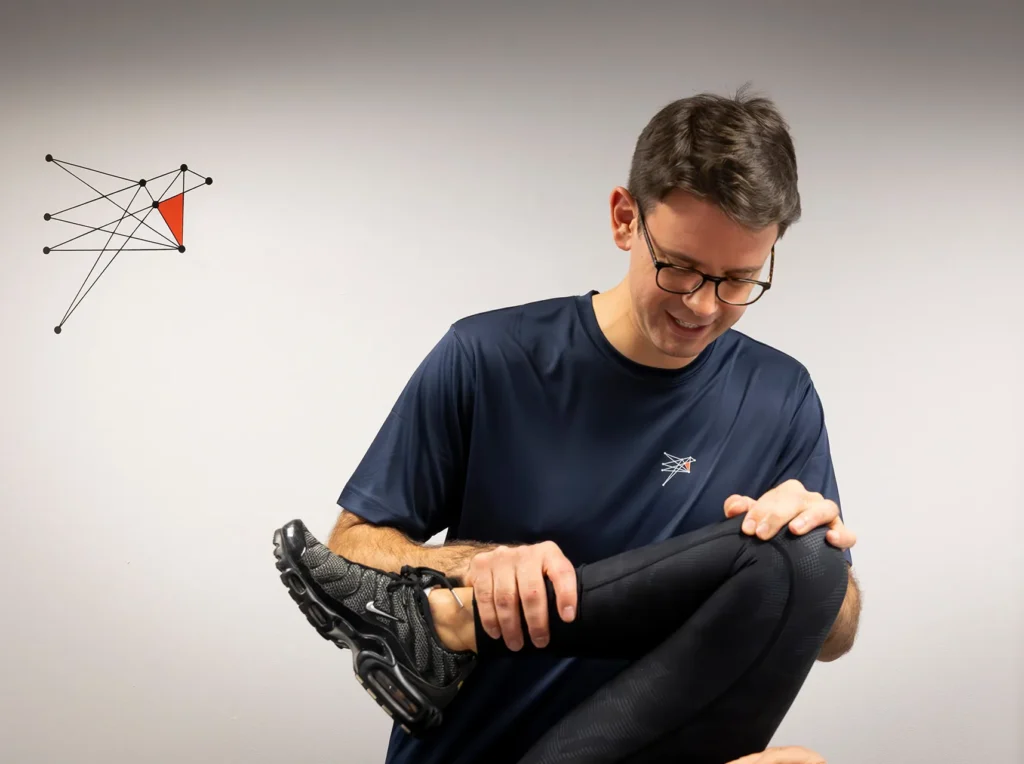
We don’t promise a magical fix for your pain if we can’t provide one.
Physiotherapy can help you at any stage of having hip pain.
The benefit of being seen sooner, is less time in pain, less input needed and the quicker you get back enjoying things you currently can’t.
Limping is a natural reaction to protect a sore area. It’s occasionally helpful but often just compounds your pain..
With the right guidance and physiotherapy, walking normally and preventing you from needing a walking stick is achievable.
While hip pain and stiffness will limit your movement for a period of time this can be freed off by physiotherapy.
Hands-on treatment and a guided exercise programme can give significant relief, increase movement and get you back dressing yourself without issue.
Yes. Physiotherapy is recommended as the first line of treatment for aches and pains especially of the hip.
Why? Because it has been shown time after time to improve a person’s symptoms, get them active again, stop reliance on pain killers and stop the need for surgery.